



Patricia Reed
2 months ago
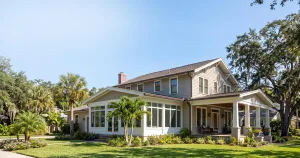
From the beginning to end of this project of putting a new roof on our house, it was the most easiest thing we have done in a long time. The team was very knowledgeable and had a very precise process that they use to make this so smoothly. Their knowledge and Before the rain their expertise helped us as homeowners to be prepared and pick what was best for our home. I was very grateful. We had some concerns about part of our back roof over our patio And they easily were able to fix those issues. It was really amazing they were able to do over 2000 sq ft home within a day. They cleaned up around the house to the point where when they left it didn’t even look like we even had a new roof that day put in. It was like they were never here. Thank you, and we look forward to our next project with you!

Sharon Reed
4 months ago
And a great job on all the jobs that he’s done for us. The latest one has been lay down some cement and work with a deco drain to help with water drainage issues. Thank you for a great job appreciate it.



P Chapman
1 year ago
Chelsea and crew were great! Reasonable pricing and had it done in one day! Crew cleaned up and left nothing behind. Beautiful roof!

Mitch Farbstein
1 year ago
Grit Roofing is an excellent company to do business with. They are very customer oriented and keep you informed every step of the process from follow-up to phone calls, to notifications of arrivals and they are always on time. They cover all aspects of building from new construction to repairs of all properties. I would highly recommend using them.

Mauro Coletti
1 year ago
Great service and even better work. Im glad i went with GRIT Roofing. Chelsea was very helpful and very fast to get my roof done. Thank you .

Sheena Blinn
1 year ago
We couldn’t be more grateful for the incredible work GRIT Companies did on our home renovation. From start to finish, their team went above and beyond in every way—professional, reliable, and committed to excellence. They treated our home like their own, paying attention to every detail and making sure we were happy every step of the way. The final result exceeded all our expectations. If you’re looking for a company that truly cares and delivers high-quality craftsmanship, GRIT is the one to call. Highly recommend!

Rolando Gorbea
2 years ago
Unbelievable work. All done in one day and my backyard was cleaner at the end than when they started. Chelsea handled everything with the county and my new roof installation was worry free.

Virginia Clifton
2 years ago
We recently had a new roof installed by Grit Roofing, LLC, and we couldn't be more pleased with the result. From start to finish, the team was professional, efficient, and meticulous. They ensured that every detail was taken care of, and their craftsmanship is evident in the quality of the finished product. The crew was punctual, respectful, and left our property spotless at the end of each day. Communication was excellent, with clear explanations of the process and timely updates. Our new roof not only looks fantastic but has also significantly improved our home's overall energy efficiency. We highly recommend GRIT Roofing to anyone in need of roofing services!